Ask anyone what skills matter most in an AI-driven world and you will hear the same answer: soft skills. Communication. Empathy. Creativity. Leadership.
It's not wrong. But it is not very useful either.
Telling someone to "develop soft skills" is roughly as actionable as telling them to "be good at stuff." It's technically sound advice that gives you almost nothing to actually work on. The skills that genuinely resist AI replacement are more specific — and more interesting — than the soft skills catch-all suggests.
The Honest Part First
Many skills are being automated. Not eventually — now, or within months. Routine data analysis, first drafts of written content, basic code, customer service scripts, image generation, research summaries. These are not future predictions. They are already happening, at scale, across industries.
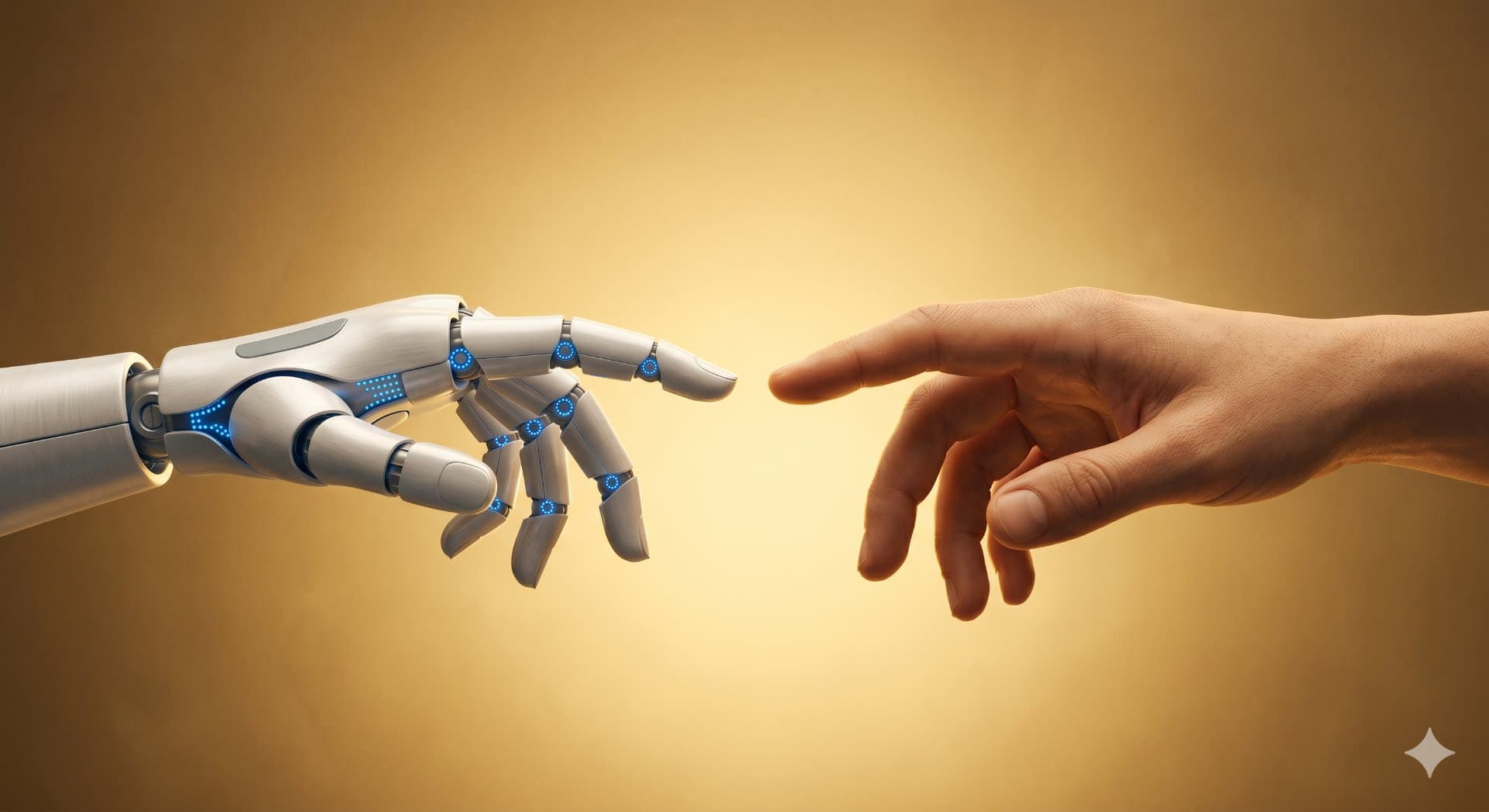
Pretending otherwise — or consoling yourself with "AI can never truly understand people" — is not a career strategy. The more useful question is: what does actual human-AI collaboration look like, and what human input cannot be skipped or approximated?
That is where the real answer is.
Contextual Judgment — Knowing When the Rule Does Not Apply
AI is extraordinarily good at pattern matching. It finds the most statistically likely answer based on its training. The problem is that the most statistically likely answer is frequently wrong in specific, contextual situations.
A doctor who interprets a lab result in the context of this particular patient's history, fears, and life circumstances is doing something AI cannot replicate reliably. A manager who knows that the standard feedback process will not work for this specific person at this specific moment — same thing. A lawyer who understands that the letter of the contract is not what the client actually needs right now — same thing again.
Contextual judgment means knowing when to break the pattern, when to make an exception, and when the general rule genuinely does not fit. It requires lived experience, not just information. And it requires being accountable for the call — which AI is not.
Navigating Ambiguity Under Real Stakes
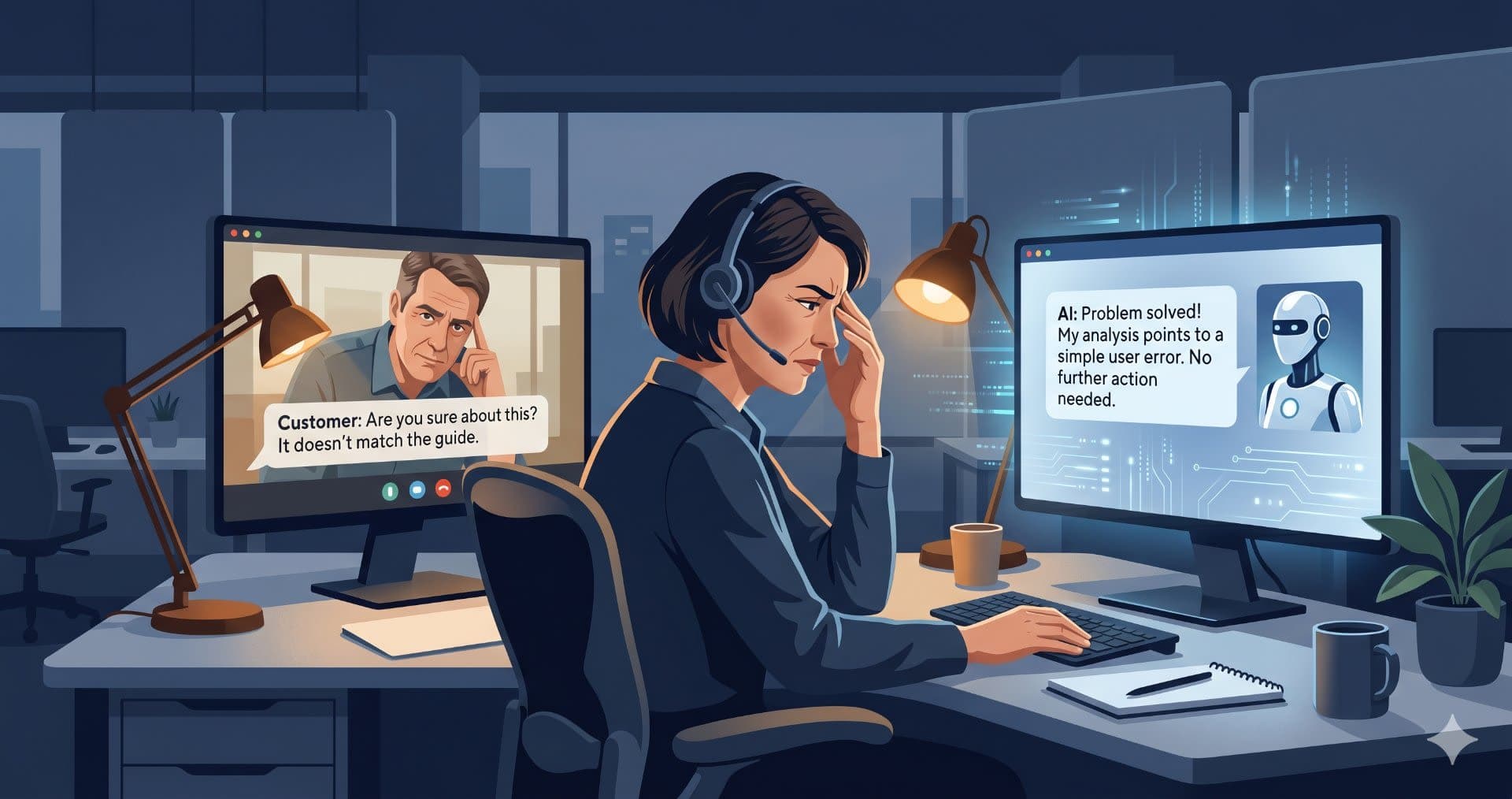
AI is confident. Sometimes uncomfortably so. It will give you a clear, well-structured answer even when the honest response is "this is genuinely unclear and reasonable people disagree."
The ability to hold ambiguity — to make decisions with incomplete information, communicate uncertainty honestly, and revise your position as new things emerge — is deeply human. It matters most in exactly the high-stakes situations where getting it wrong costs something real: medical decisions, legal judgment, crisis management, negotiation.
In well-defined, lower-stakes situations, AI handles ambiguity fine. In messy, high-stakes reality, it tends to flatten complexity in ways that can be dangerous. Knowing when to distrust a confident-sounding answer is itself a skill.
Building Genuine Trust With People
People know, on some level, when they are talking to an AI. Even when the interaction is smooth and the responses are helpful, there is a ceiling on how much trust gets extended. For many things — a difficult conversation with a team member, a negotiation that requires reading the room, a client relationship built over years — the fact that a human is genuinely present, with real skin in the game, matters in a way that cannot be easily replicated.
This is not just sentiment. Trust-dependent roles — therapy, leadership, high-value sales, mediation, mentorship — depend on something AI can simulate convincingly but cannot actually possess. The difference becomes visible at moments of genuine difficulty, which is exactly when trust matters most.
Creative Direction, Not Just Creation
AI can generate. A lot, and fast. But generating is different from directing — from knowing what's good, what fits the purpose, what should be thrown out, and what direction to push next.
A strong creative director does not need to write every word or design every screen. They need taste, editorial judgment, and the ability to clearly articulate why something works or why it doesn't. As AI takes over the generation side, the human ability to direct — to define the brief, judge the output, push past the obvious first answer — becomes more valuable, not less.
This applies across design, writing, product, marketing, film, music. The generation is increasingly automated. The judgment of what is worth generating, and whether the output is actually good, is not.
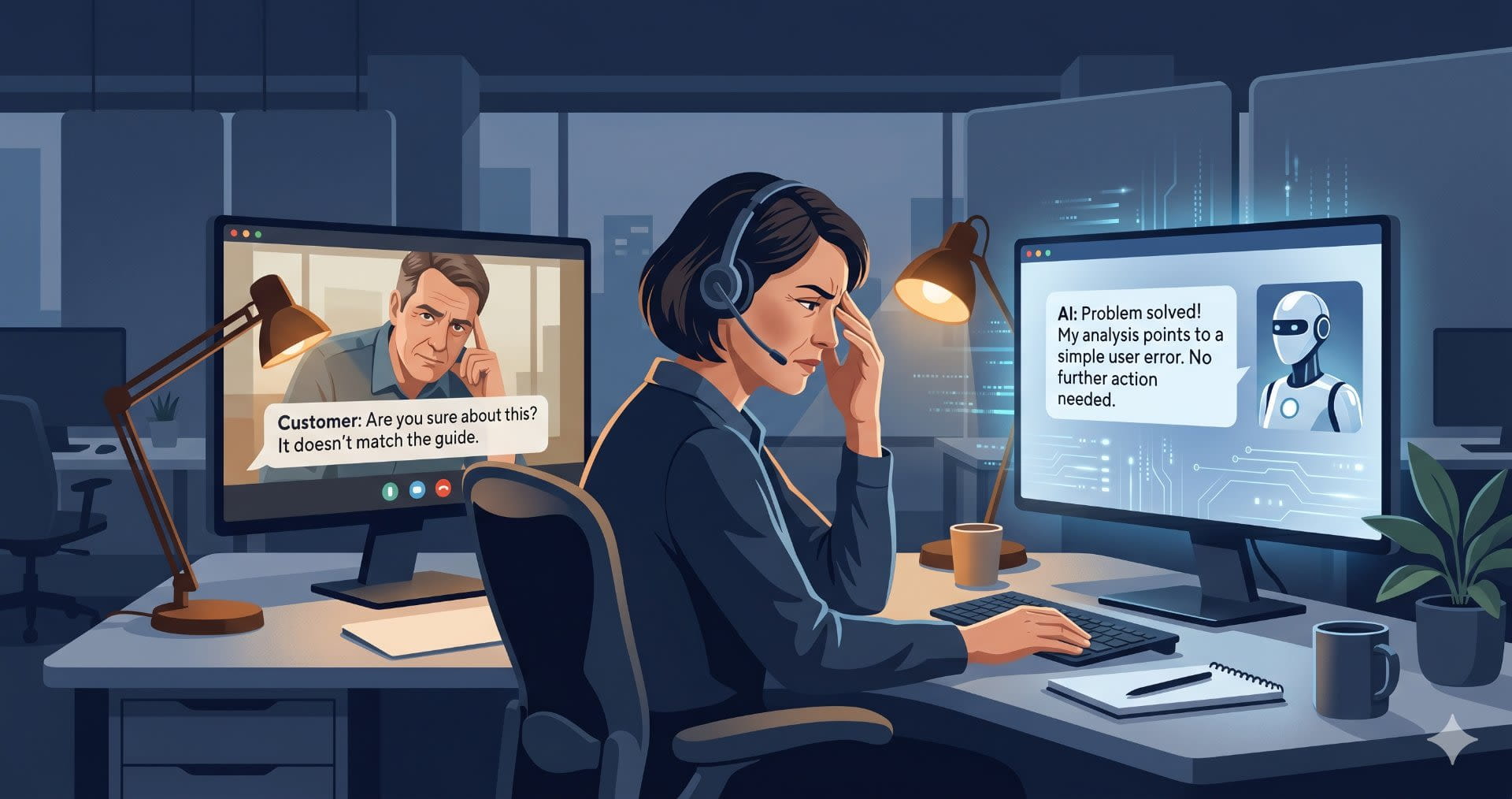
This connects directly to what is happening in support and knowledge work — as explored in The AI Efficiency Trap: What Nobody Tells Support Employees About Working Alongside AI. The teams that struggle are the ones treating AI as a replacement. The ones adapting are the ones developing the judgment skills to direct it.
Work That Requires a Body
Robotics is advancing, but slowly relative to software AI. Physical, dexterous, real-world work — surgery, skilled trades, hands-on care, high-level cooking, sports coaching, physical therapy — requires a body, fine motor control, and situational physical judgment that remains stubbornly difficult to automate.
Plumbers, electricians, physios, surgeons, mechanics — skilled trades have been chronically undervalued partly because they could not be easily outsourced to cheaper labour markets. They are also proving difficult to automate. The combination of physical presence, contextual judgment, and manual dexterity creates a genuinely hard problem for robotics that pure software intelligence does not have to solve.
Genuine Motivation and Inspiration
You can tell when someone cares about what they are doing. It comes through in the details, the effort, the way they talk about the work. And you can tell when someone does not. This signal is surprisingly hard to fake, even with sophisticated AI.
Leaders, teachers, coaches — the people who pull others toward something bigger — are doing something that requires authentic motivation. AI can generate an inspiring speech. But inspiration, the actual transfer of energy and belief from one person to another, requires a human on both ends. The people who have experienced a genuinely great teacher or mentor know this immediately.
What to Actually Do With This
The most practical response is not to immediately retrain in a new field. It's to look at whatever work you already do and ask: where in this does the real human judgment live? What parts require the context, trust, and accountability that AI cannot replicate?
Double down on those parts. Let AI handle the parts it handles better — and it will handle more of them over time. The question is not whether AI will change your work. It will. The question is what you will have built that makes you indispensable inside that change.
If you are thinking about how these shifts affect your career trajectory, it is worth reading about the future of remote work and the skills it demands — the intersection of distributed work and AI adoption is where a lot of the real career pressure is concentrated right now.
The Pattern in These Skills
Every skill on this list has something in common: it requires operating in the real world, with real people, with real consequences attached. AI lives in the world of information. These skills live at the boundary between information and reality — the place where the data meets a specific human moment and someone has to decide what to do with it.
That boundary is where the most important work happens. It is where humans, for now, remain genuinely essential — not because AI is not trying, but because reality is messier than any training set.